
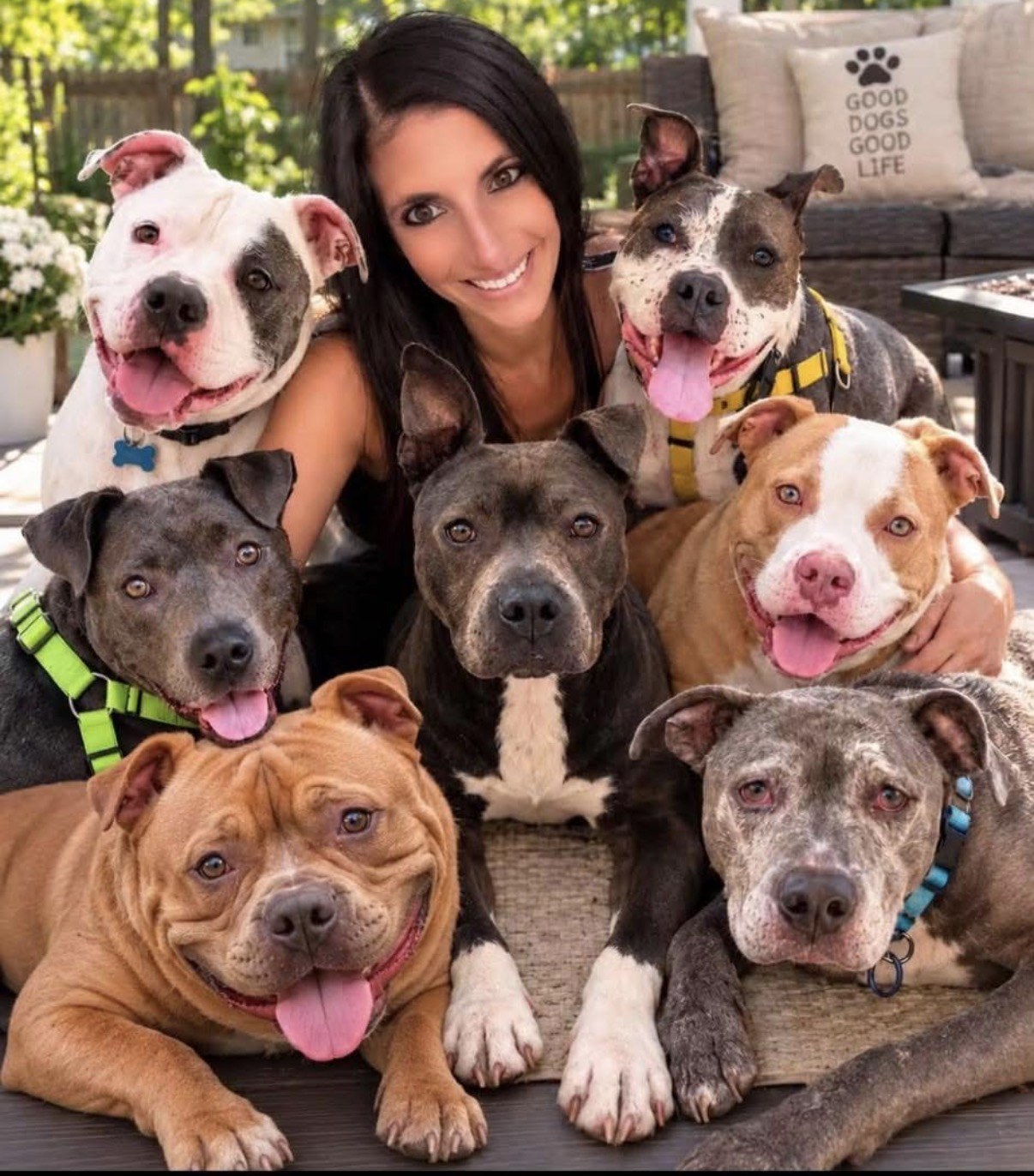
Why I Started This Rescue ♡
For the seniors. The medical cases. The behavioral dogs. The overlooked. And for a better future in animal welfare.
It Started With the Dogs Others Overlooked
I didn't become involved in rescue to focus only on the easiest dogs to adopt. My heart has always been with the seniors, the medical cases, the bully breeds, and the dogs with serious behavioral needs—the ones whose stories and potential can be missed behind kennel doors.
Some are passed over because of age or medical expenses. Some show fear, frustration, or reactivity in a kennel and are labeled difficult or dangerous. Others need patient, qualified care that doesn't fit a quick adoption timeline.
I believe each dog deserves to be understood as an individual—not reduced to a label, a medical bill, or a statistic.
Helping Both Ends of the Leash
My interest in rehabilitation began long before I formally established Nicole's Fosters & Rescues. Seeing how difficult it can be for someone with a criminal record to rebuild a life—even with support and resources—made me think about people who face those barriers without the same advantages.
I became interested in programs that bring together dogs needing training and people seeking opportunities to learn, contribute, and rebuild. The idea behind programs such as Pit Bulls & Parolees spoke to me: compassion, training, and meaningful work can create opportunities for both people and dogs.
That interest helped lead me to behavioral training, certifications, and working with bully breeds. A long-term dream is to build a responsible rehabilitation program that helps both ends of the leash—with professional oversight, humane methods, and appropriate safety safeguards.
Prince Sandy & Taka: The Dogs Who Shaped My Heart
Prince Sandy, my first rescue, came to me close to death. He became the center of my world and lived to be 18½ years old. His life taught me what it means to look beyond a dog's condition and believe there is still so much life worth living.
Taka, my senior Cane Corso, had complex medical needs. He could have been dismissed as too old or too difficult to help, but he was one of the greatest dogs I've ever known.
Both taught me that a dog's value isn't measured in years remaining, dollars required, or how quickly someone will adopt them.
Seniors and medically fragile dogs aren't afterthoughts in this rescue. They are a central reason it exists.
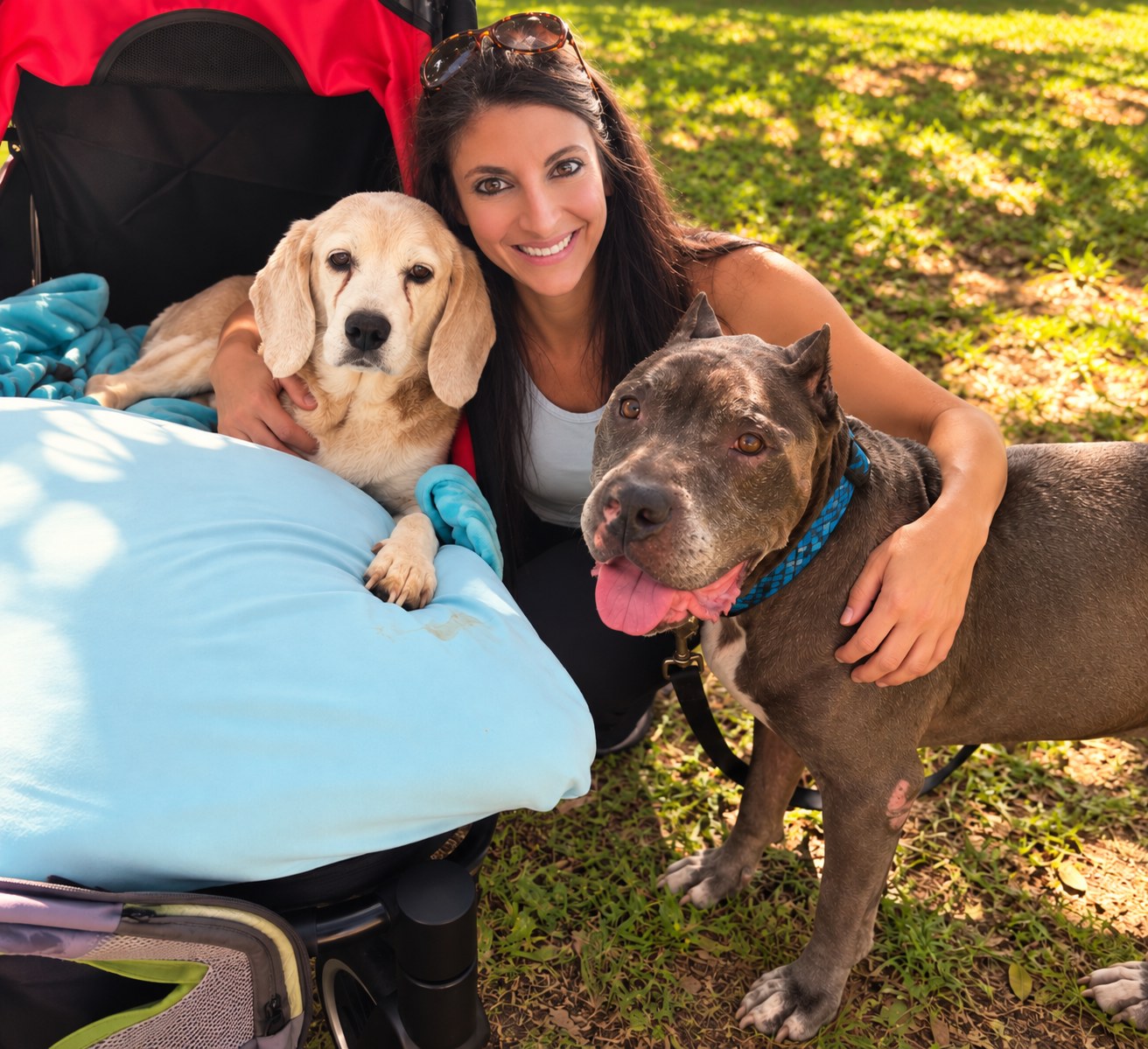
Tuffy: Why Behavioral Understanding Matters
Tuffy was a genuine, severe behavioral case. He had been returned to the shelter four times and was facing behavioral euthanasia. His leash reactivity, pulling, and responses to cars, dogs, scooters, and bicycles were serious—not something I could simply wish away.
As a behavioral consultant and trainer, I worked with him through consistent routines, structured training, careful exposure, and ongoing management. Today he can enjoy busy walks and respond to cues in situations that used to overwhelm him.
Not every dog can be safely rehabilitated or placed. But Tuffy makes me ask how many dogs might have better outcomes with qualified assessment and meaningful support before a life-ending decision.
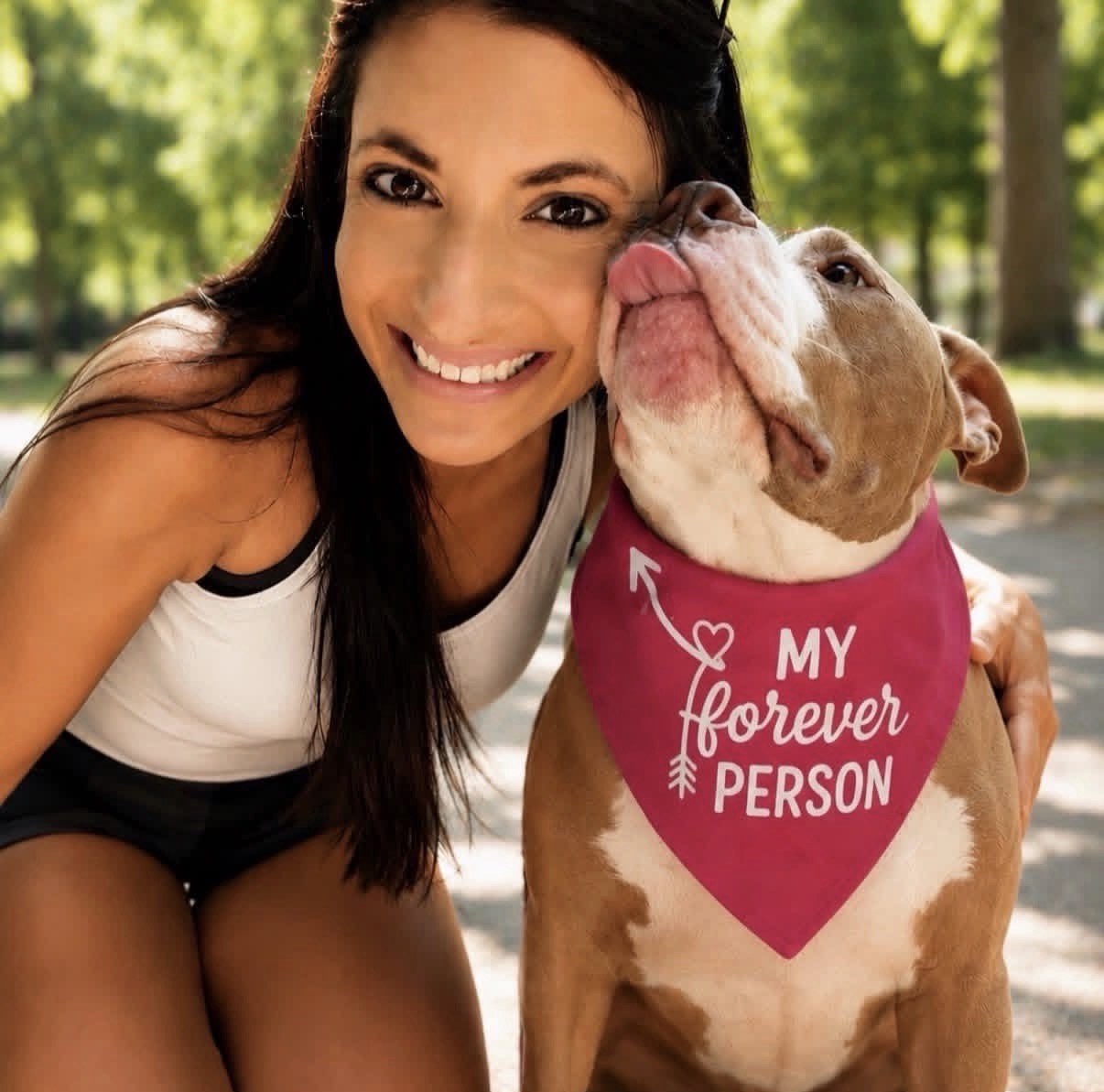
Little Bear: Medical Care Should Come Before Giving Up
Little Bear suffered severe respiratory illness and painful foot infections that made it difficult for him to stand or walk. In my experience advocating for him, appointments were canceled and I was told the ongoing foot condition would make him difficult to adopt. I was also told that returning him could mean euthanasia.
I took on his full medical, financial, and daily care rather than give up on him. Later, another serious medical crisis led to hospitalization, emergency surgery, and a long recovery. His medical journey, including heartworm treatment, has required enormous commitment.
His story is a major example of why I want individualized treatment and clearer accountability when an animal is sick.
Meet Little Bear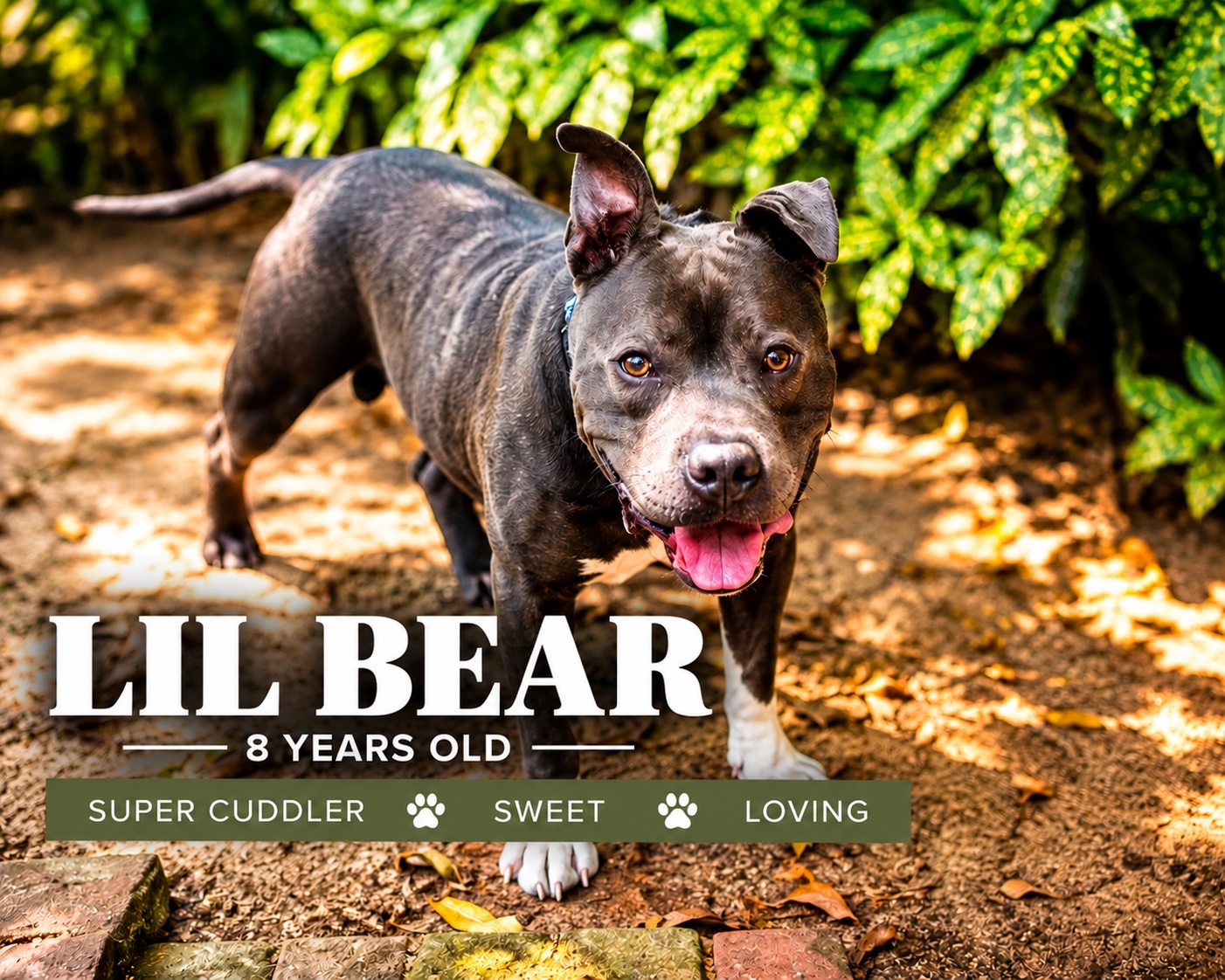
Squish: When Advocacy Became Taking Full Responsibility
Squish arrived after prolonged hardship: severe malnourishment, burns, wounds, parasites, heartworm disease, and an extraordinary ear infection. According to the woman who contacted animal control, she'd seen him wandering for months before making that call.
For months, I requested more medical care for him. I was ultimately told he was considered “untreatable” and “unadoptable,” and that euthanasia was an immediate possibility unless I assumed his care. I chose to take responsibility for his treatment, rehabilitation, finances, and future.
Squish's physical recovery has been remarkable. His serious behavioral needs remain part of his life, and I will only consider a placement with someone who can safely manage them.
Dogs like Squish reinforced my determination to build a rescue capable of staying with complex cases for the long haul.
Meet Squish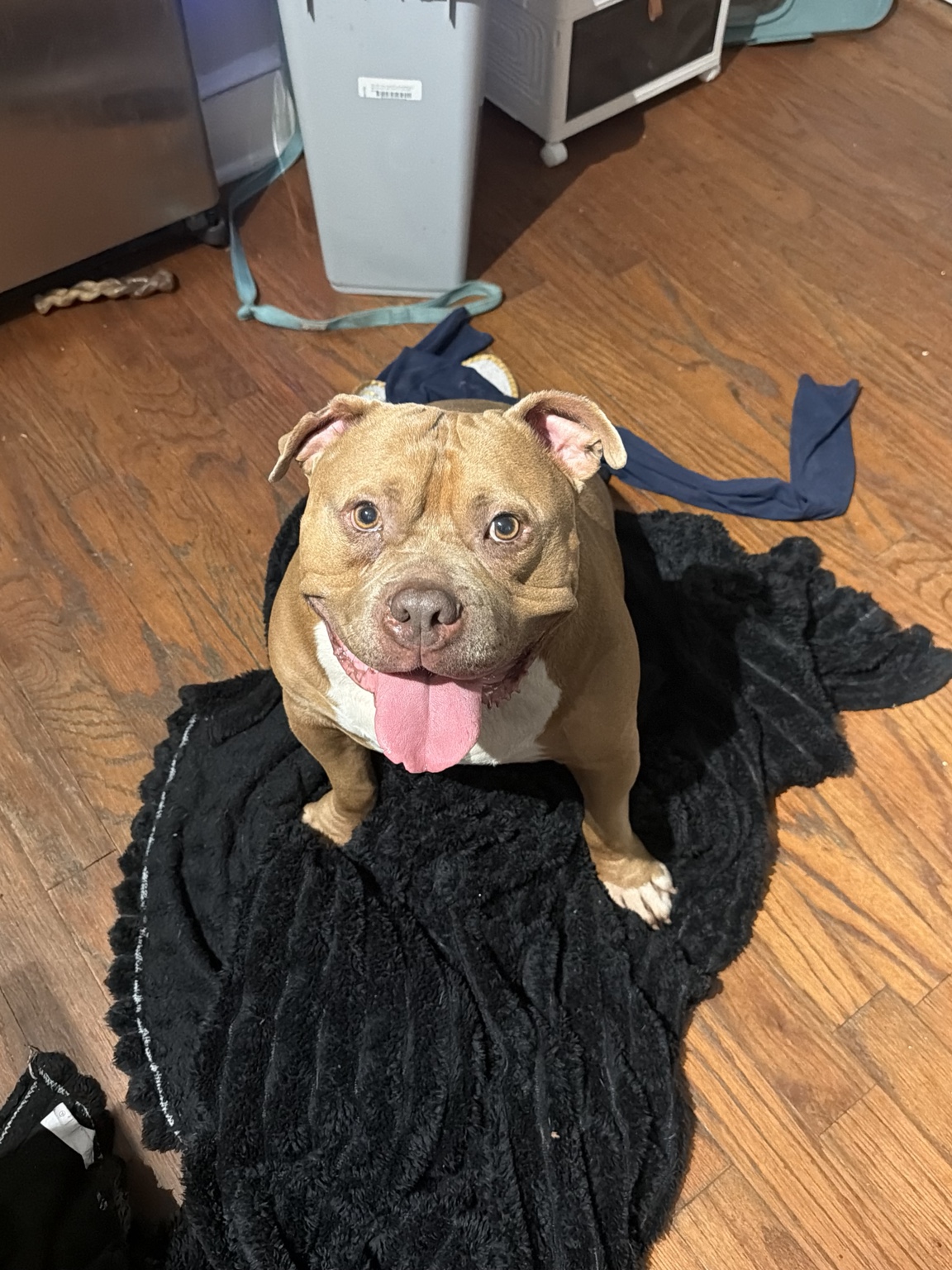
Why I Made the Rescue Official
Over time, I found myself repeatedly making the same choice: either return a dog when I had been told euthanasia was likely, or personally assume responsibility for medical treatment, expenses, behavior work, daily care, and placement. These experiences were not the beginning of my love of rescue—but they made the need for an independent, hands-on rescue impossible for me to ignore.
Nicole's Fosters & Rescues became an officially licensed Georgia rescue to support a mission I'd already been living: helping the overlooked, particularly medical seniors and serious behavioral cases, while giving each dog an honest chance at healing and an appropriate future.
We focus on treatment, decompression, enrichment, training, ongoing support, and careful forever-home matching. Sometimes success is adoption. Sometimes it's hospice comfort. Sometimes it's a lifetime of safe, responsible management.
Rescue is not simply moving a dog out of a shelter. It's taking responsibility for what comes next.
Rescue Is Only Part of the Mission
As the shelter crisis intensified, I became increasingly concerned about medical care, behavioral labeling, daily welfare, access to training, and the culture surrounding people who ask questions or advocate for change. I know these problems are not universal. My concerns come particularly from experiences in the Atlanta area, along with accounts other advocates have shared with me.
I want to help improve the system, not simply stand outside it criticizing. That means education, collaboration, transparent data, meaningful oversight, better behavioral evaluations, and a community willing to learn.
I didn't start this rescue just to save dogs from the system. I started it because I believe we can build a better system for them.
Help Write the Next Chapter
Every donation, sponsored medical treatment, supply gift, adoption, and shared story helps us care for the dogs in front of us while building toward a more compassionate future.